
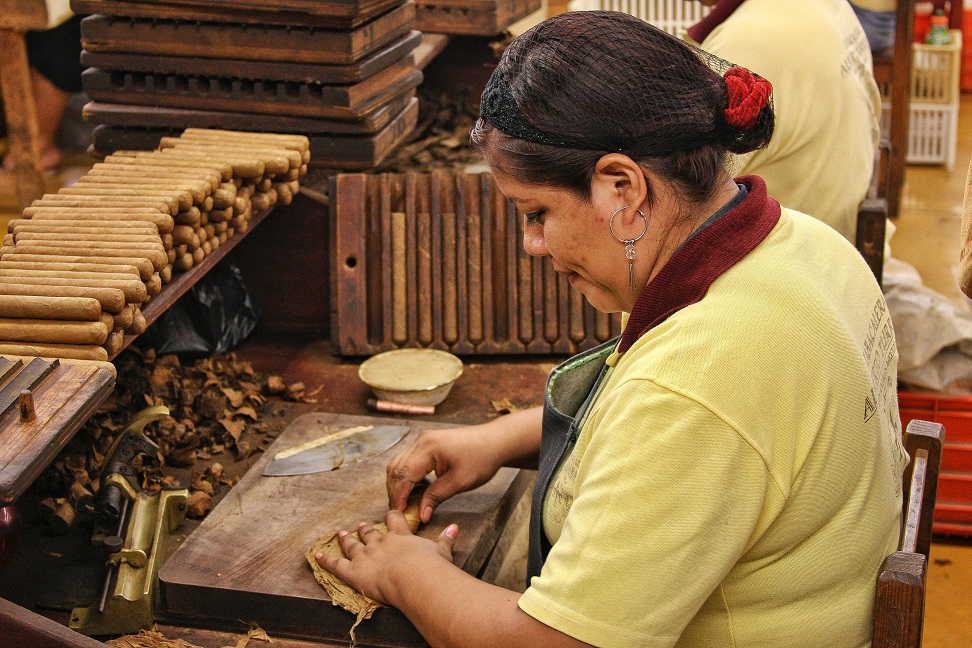

There’s something quietly mesmerizing about watching a master cigar roller at work. The steady rhythm of the hands, the precise folding of tobacco leaves, the almost instinctive sense of balance—it feels less like manufacturing and more like craftsmanship in its purest form.
In Latin America, cigar rolling isn’t just a trade. It’s a tradition passed down through generations, deeply rooted in culture, discipline, and pride. From the historic factories of Havana to the fertile valleys of Estelí and Santiago de los Caballeros, the techniques used today are the result of centuries of refinement.
To understand cigars—truly understand them—you have to look beyond the finished product and into the hands that made it.
The Roots of the Craft
A Legacy Born in Cuba
Modern cigar rolling traces its lineage back to Cuba, where tobacco cultivation and craftsmanship reached global prominence in the 18th and 19th centuries. Cuban factories established the foundational techniques still used across Latin America today.
The process was never industrial in the traditional sense. Even as demand grew, the emphasis remained on hand-rolled cigars—totalmente a mano—crafted by skilled artisans known as torcedores.
The Spread Across Latin America
Political and economic shifts in the 20th century led many Cuban cigar makers to relocate, bringing their expertise to countries like the Dominican Republic, Nicaragua, and Honduras.
This migration helped shape the modern cigar industry. While each region developed its own identity, the core rolling techniques remained deeply Cuban in origin.
Anatomy of a Premium Cigar
Before diving into the rolling process, it helps to understand the three essential components of a cigar:
The Filler (Tripa)
This is the heart of the cigar—a blend of different tobacco leaves that determines flavor, strength, and complexity. Long-filler cigars use whole leaves, carefully selected and arranged.
The Binder (Capote)
The binder holds the filler together, providing structure. It’s not as visually perfect as the wrapper, but it plays a crucial role in how the cigar burns.
The Wrapper (Capa)
The wrapper is the outermost leaf—and the most delicate. It contributes significantly to flavor and defines the cigar’s appearance. A flawless wrapper is a mark of quality.
Inside the Rolling Process
Step 1: Selecting and Preparing the Tobacco
Everything begins with leaf selection. Tobacco is sorted by size, texture, and fermentation level. Master blenders determine which leaves will be used for filler, binder, and wrapper.
The leaves are then moistened slightly to make them pliable—too dry and they crack, too wet and they become difficult to handle.
This stage already requires expertise. A skilled roller understands how each leaf behaves before even touching it.
Step 2: Building the Filler Bunch
The filler is assembled using a technique called entubado or accordion folding, depending on the tradition of the factory.
In the entubado method, each leaf is rolled into a small tube before being grouped together. This promotes excellent airflow and an even draw.
The accordion method involves folding the leaves back and forth, creating a layered structure.
Both techniques aim for the same result: a cigar that draws smoothly and burns evenly.
Step 3: Binding the Shape
Once the filler is arranged, it’s wrapped in the binder leaf and placed into a wooden mold. These molds define the cigar’s shape and size—known as its vitola.
The cigars are pressed in molds for a set period, ensuring uniformity. This is why premium cigars have such consistent shapes.
Timing here is critical. Too much pressure can restrict airflow; too little can result in a loose, uneven cigar.
Step 4: Applying the Wrapper
This is where craftsmanship becomes art.
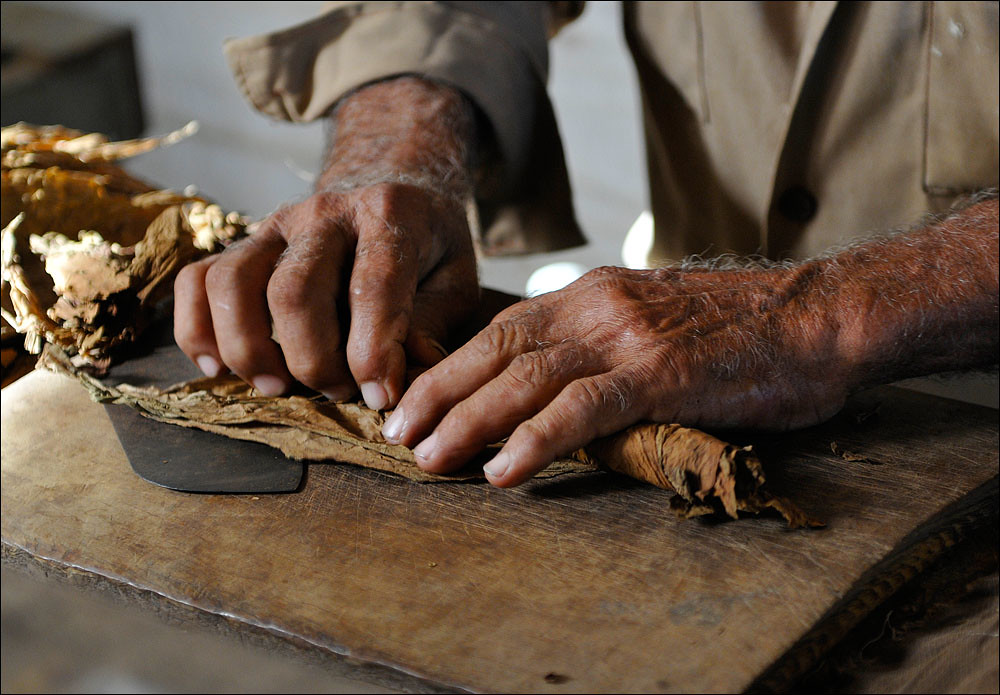
The wrapper leaf is carefully stretched and trimmed before being applied in a spiral motion around the cigar. The roller must maintain consistent tension—too tight and it affects the draw, too loose and the cigar won’t hold its form.
The final touch is the cap, a small piece of wrapper placed at the head of the cigar. This allows the smoker to cut the cigar without unraveling it.
A perfectly applied wrapper is smooth, seamless, and visually flawless.
The Role of the Torcedor
Skill Built Over Years
Becoming a master roller isn’t quick. In many factories, it takes years of training before a torcedor is allowed to roll premium cigars.
They start with simpler tasks—sorting leaves, preparing binders—before gradually advancing.
Speed vs Precision
An experienced torcedor can roll anywhere from 100 to 150 cigars a day, depending on the size and complexity. But speed never comes at the expense of quality.
Every cigar must meet strict standards for draw, weight, and appearance.
The Human Touch
Unlike machine-made cigars, hand-rolled cigars carry subtle variations. These differences are part of their charm—each cigar is a small expression of the roller’s skill.
Traditional Factory Culture
The Lector: Storytelling in the Rolling Room
One of the most unique traditions in Latin American cigar factories is the lector—a reader who recites books, newspapers, or stories aloud to the rollers as they work.
This tradition began in Cuba and continues in some factories today. It’s said that famous cigars were even named after books read in these rooms.
The presence of a lector transforms the workspace into something almost intellectual—a blend of labor and literature.
Quality Control and Inspection
After rolling, cigars go through rigorous quality checks. They are weighed, inspected for visual imperfections, and tested for draw.
Only cigars that meet strict standards move on to aging and packaging.
This attention to detail is what separates premium cigars from mass-produced alternatives.
Regional Variations in Technique
Cuba: Tradition Above All
Cuban factories tend to adhere closely to traditional methods, emphasizing consistency within established practices. The focus is on preserving heritage.
Nicaragua: Precision and Innovation
In places like Estelí, cigar makers combine traditional techniques with modern quality control systems. The result is often greater consistency and bold experimentation in blends.
Dominican Republic: Balance and Refinement
Factories in Santiago de los Caballeros are known for producing smooth, well-balanced cigars with meticulous construction.
Why Hand-Rolled Cigars Matter
In an age of automation, the persistence of hand-rolled cigars is remarkable.
Machines can replicate shape, but they can’t replicate judgment—the subtle decisions a torcedor makes with each leaf. The feel of the tobacco, the balance of the bunch, the tension of the wrapper—these are human instincts.
That’s what gives premium cigars their soul.
Conclusion: Craft, Culture, and Continuity
The art of cigar rolling is more than a process—it’s a living tradition. Every cigar carries with it the legacy of centuries-old techniques, the influence of regional cultures, and the skill of the individual who rolled it.
From the historic factories of Havana to the vibrant production hubs of Estelí and Santiago de los Caballeros, the craft continues to evolve while staying rooted in its origins.
The next time you light a cigar, take a moment to consider the journey it took to reach your hands. Behind the smoke is a story—one shaped leaf by leaf, rolled with care, and perfected over generations.