
Category Cigar Reviews & Recommendations

Nicaragua vs Cuba: A Detailed Flavor Comparison of Popular Cigars

Aerial view of Ometepe Island Nicaragua with twin volcanic peaks rising above lush green landscape surrounded by Lake Nicarag

Few debates in the cigar world carry as much passion—or as much nuance—as Nicaragua vs Cuba. For some, Cuban cigars represent heritage, tradition, and an almost mythical standard of excellence. For others, Nicaraguan cigars embody innovation, boldness, and modern craftsmanship at its peak.

But strip away the romance and reputation, and what most smokers really want to know is simple: how do they actually taste?

This guide breaks down the flavor profiles, construction styles, and smoking experiences that define Cuban and Nicaraguan cigars, helping you understand what sets them apart—and which might suit your palate best.

The Foundations: Terroir and Tobacco Philosophy

Before diving into flavor, it’s important to understand why these cigars taste different.

Cuba: Elegance Through Tradition

Cuban cigars are made almost exclusively with tobacco grown in the island’s famous regions, particularly Vuelta Abajo. The philosophy is rooted in tradition—minimal blending complexity, allowing the natural character of Cuban soil and climate to shine through.

Cuban cigars often use what’s called a “puro” approach, meaning the filler, binder, and wrapper all come from the same country. The result is a cohesive, terroir-driven flavor profile.

Nicaragua: Power Through Blending

Nicaragua, on the other hand, embraces diversity. Tobacco is sourced from multiple regions—Estelí, Jalapa, Condega—each contributing distinct characteristics.

Blenders treat cigars almost like chefs crafting a dish, combining different leaves to create layered, intentional flavor experiences. The result is often bolder, more expressive cigars.


Flavor Profile Breakdown

Cuban Cigars: Subtle, Evolving Complexity

Cuban cigars are often misunderstood. They’re not always mild—but they are refined. The defining trait is balance.

From the first draw, you’ll often notice a combination of earthy richness, soft cedar, and a distinctive “twang”—a slightly tangy, almost mineral-like brightness unique to Cuban tobacco.

As the cigar progresses, flavors tend to evolve gradually rather than dramatically. You might pick up notes of:

  • Toasted bread
  • Roasted nuts
  • Leather
  • Light spice
  • Coffee with a creamy finish

The experience is less about intensity and more about nuance. Cuban cigars reward slow smoking and careful attention.

Popular Cuban Examples

Cohiba Siglo II
Creamy, elegant, with notes of honey, hay, and soft cedar. A classic introduction to Cuban refinement.

Montecristo No. 4
More robust than many expect, offering cocoa, coffee, and a touch of pepper balanced by smooth earthiness.

Partagás Serie D No. 4
Richer and spicier, with deeper notes of pepper, wood, and dark earth—showing that Cuba can deliver strength when it wants to.


Nicaraguan Cigars: Bold, Expressive Intensity

Nicaraguan cigars make a very different first impression. Where Cuban cigars ease you in, Nicaraguan cigars tend to announce themselves immediately.

Expect a stronger opening with more pronounced spice—especially black pepper—followed by rich, full-bodied flavors. Common notes include:

  • Dark chocolate
  • Espresso
  • Black pepper
  • Molasses or caramel sweetness
  • Charred wood

The progression is often more dramatic, with clear transitions between thirds of the cigar.

Nicaraguan cigars are designed to be noticed. They don’t hide their strength—they lean into it.

Popular Nicaraguan Examples

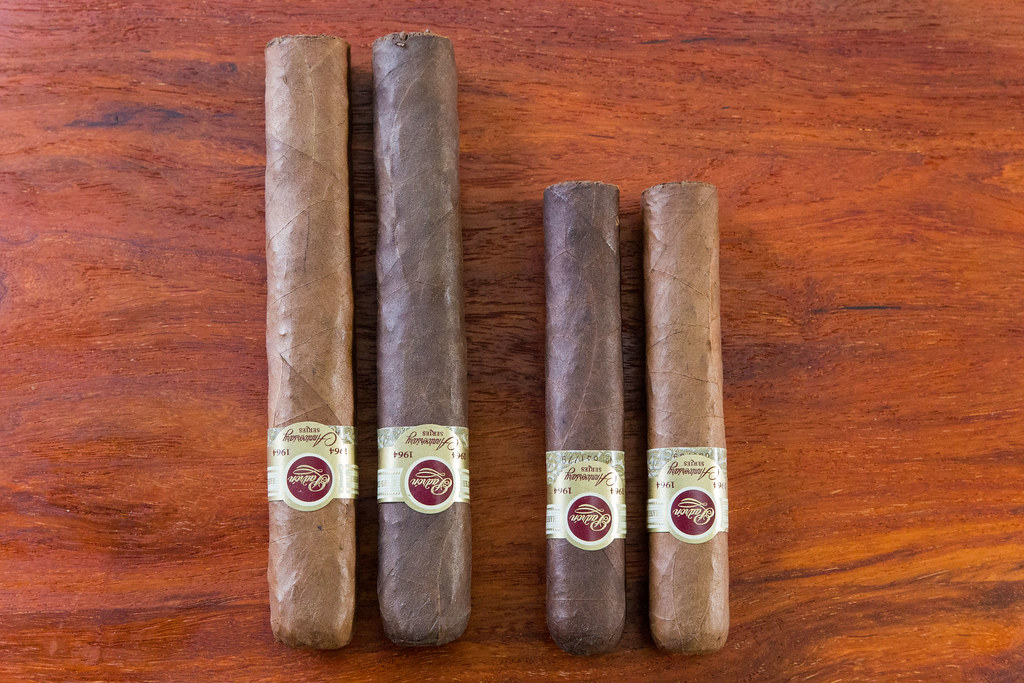
Padrón 1964 Anniversary Series
Exceptionally smooth despite its richness, offering cocoa, coffee, and a signature Nicaraguan sweetness.

Oliva Serie V
Full-bodied with bold spice, dark chocolate, and a dense, creamy smoke texture.

My Father Le Bijou 1922
Powerful and complex, with pepper-forward intensity balanced by earthy and sweet undertones.


Strength vs Flavor: Clearing the Confusion

One of the biggest misconceptions in cigars is equating strength with flavor.

Cuban cigars often sit in the mild-to-medium strength range but still deliver complex flavor profiles. They’re not weak—they’re just not aggressive.

Nicaraguan cigars, by contrast, frequently lean medium to full in strength, with higher nicotine and more immediate flavor impact.

If you’re sensitive to nicotine, Cuban cigars may feel more comfortable. If you enjoy bold flavors and a stronger presence, Nicaraguan cigars might be more satisfying.


Construction and Consistency

Cuban Cigars: Romantic but Variable

Cuban cigars are hand-rolled under strict tradition, but consistency can sometimes be uneven. You might encounter draw issues or burn irregularities, even in premium sticks.

That said, when a Cuban cigar is on, it’s hard to replicate the experience.

Nicaraguan Cigars: Precision and Reliability

Nicaraguan manufacturers have built a reputation for exceptional construction quality. Brands like Padrón and Oliva are known for consistency—tight quality control, even burns, and reliable draws.

For many smokers, especially beginners, this reliability is a major advantage.


Which Should You Choose?

Choose Cuban Cigars If You:

Appreciate subtlety and gradual flavor development.
Enjoy earthy, balanced profiles with refined complexity.
Value tradition and terroir-driven tobacco.

Choose Nicaraguan Cigars If You:

Prefer bold, immediate flavor impact.
Enjoy spice, richness, and full-bodied smoke.
Want consistent performance and modern blending styles.


Can One Be “Better” Than the Other?

Not really—and that’s the beauty of it.

Cuban cigars excel in elegance, balance, and heritage. Nicaraguan cigars shine in power, complexity, and consistency. They represent two different philosophies of cigar-making.

Many experienced smokers keep both in their rotation, choosing based on mood. A quiet evening might call for the subtle evolution of a Cuban cigar, while a celebratory moment might demand the bold presence of a Nicaraguan blend.


Final Thoughts: Two Worlds, One Passion

The Nicaragua vs Cuba debate isn’t about declaring a winner—it’s about understanding contrast.

Cuban cigars invite you to slow down and pay attention. Nicaraguan cigars grab your attention and take you on a more dramatic ride.

If you’re serious about cigars, the real answer is simple: explore both.

Because the more you smoke, the more you’ll realize—it’s not about choosing sides. It’s about discovering what each style brings to the table, and how your own palate evolves along the way.
Top Dominican Cigars for Beginners: Smooth Picks to Start Your Journey

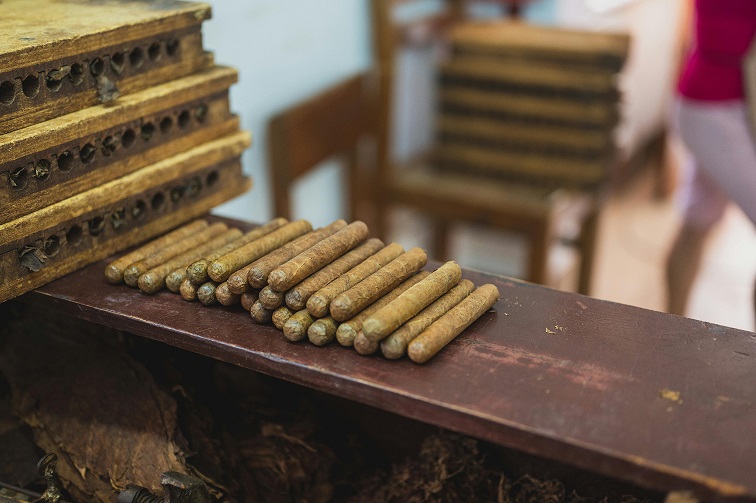
Freshly rolled cigars lined up on a wooden workbench in a traditional cigar factory

There’s a moment every cigar smoker remembers—the first time a cigar clicks. Not just the ritual, not just the aesthetics, but the flavor, the rhythm, the calm. If you’re new to cigars, the Dominican Republic is arguably the best place to begin that journey.

Dominican cigars have earned their reputation as the gateway into premium tobacco for a reason. They’re approachable without being boring, flavorful without being overwhelming, and—perhaps most importantly for beginners—remarkably consistent in construction and burn.

This guide walks you through the best Dominican cigars for beginners, what makes them special, and how to choose your first few sticks with confidence.


Why Dominican Cigars Are Ideal for Beginners

A Natural Lean Toward Smoothness

Dominican tobacco is widely known for producing mild to medium-bodied cigars with balanced, refined flavor profiles. Rather than hitting you with intensity, these cigars tend to introduce notes gradually—think cream, cedar, light spice, toasted nuts, and subtle sweetness.

For a beginner, that’s exactly what you want. Strong cigars can overwhelm your palate and even make the experience physically unpleasant. Dominican cigars, by contrast, are forgiving.

Consistency You Can Trust

One of the biggest frustrations for new smokers is a poorly constructed cigar—uneven burn, tight draw, harsh smoke. Dominican manufacturers have built a global reputation on quality control and craftsmanship, which translates into reliable smoking experiences.

That reliability matters more than you might think. When you’re learning, you want to focus on flavor—not fighting the cigar.

A Wide Range of Entry Points

From affordable everyday smokes to ultra-premium masterpieces, Dominican cigars cover the entire spectrum. You can find excellent beginner-friendly options well under $10, making experimentation easy without a big investment.


What Makes a Cigar “Beginner-Friendly”?

Before diving into specific recommendations, it’s worth understanding what separates a good beginner cigar from the rest.

A great starter cigar typically has a mild to mild-medium strength, meaning lower nicotine impact and smoother delivery. It often features a Connecticut Shade wrapper, which contributes to that creamy, mellow profile. Construction should be impeccable, ensuring an easy draw and even burn.

Flavor-wise, you’re looking for balance—not complexity for complexity’s sake, but a clean, enjoyable profile that evolves gently as you smoke.


Top Dominican Cigars to Start With

Ashton Classic — The Gold Standard of Smooth

Few cigars are as universally recommended for beginners as the Ashton Classic. This is the kind of cigar that feels effortless from the first puff.

Wrapped in a silky Connecticut Shade leaf and filled with aged Dominican tobacco, it delivers a creamy, elegant smoke with notes of cedar, almonds, and a touch of sweetness.

It’s not flashy. It doesn’t try to impress you with strength. Instead, it quietly demonstrates what a well-made, mild cigar should be.

If you’re only going to try one Dominican cigar as a beginner, this is arguably the safest—and most rewarding—place to start.


Macanudo Café — The Everyday Classic

Macanudo Café has introduced more people to cigars than almost any other brand. There’s a reason it’s everywhere: it works.

This is a quintessential mild Dominican cigar with a creamy, coffee-forward profile accented by light spice and nutmeg. It’s incredibly approachable, making it perfect for your first few smoking sessions.

From the community:
“The Macanudo Café… delivers a mild, creamy smoke… smooth and mellow.”

It’s not the most complex cigar you’ll ever smoke—but that’s precisely why it’s so valuable early on.


Arturo Fuente Double Chateau Natural — Consistency King

The Arturo Fuente name carries serious weight in the cigar world, and the Double Chateau Natural is a perfect introduction to the brand.

This cigar is known for its flawless construction and reliable performance. Wrapped in Connecticut Shade and filled with Dominican tobacco, it offers nutty, cedar-forward flavors with a gentle sweetness.

What stands out here is consistency. Light one today, next week, or next year—it’s going to deliver a similar, satisfying experience every time.


VegaFina Classic — Ultra-Mild and Refined

If you’re especially sensitive to strength—or just want something exceptionally easygoing—VegaFina Classic is worth seeking out.

This cigar is often described as “lighter than air,” offering a delicate, refined smoking experience with minimal intensity. It’s the kind of cigar you can smoke slowly without worrying about harshness creeping in.

For absolute beginners, this might be the most comfortable starting point on the list.


Montecristo (Dominican) — A Step Toward Complexity

While the Cuban Montecristo gets most of the attention, the Dominican-made versions are excellent in their own right—especially for beginners ready to explore a bit more depth.

Blends like the Montecristo Half Corona offer a mellow-to-medium profile with balanced notes of cedar, light spice, and subtle sweetness.

This is where you begin to understand how cigars evolve over time—from first third to final inch—without stepping into overwhelming territory.


How to Choose Your First Dominican Cigar

Start Mild, Then Climb Gradually

There’s no prize for jumping straight into strong cigars. Begin with mild options and move toward medium-bodied cigars as your palate develops.

Pay Attention to Size (Vitola)

Larger ring gauges (thicker cigars) tend to burn cooler and smoother, making them more forgiving for beginners. Smaller, thinner cigars can heat up quickly and become harsh if smoked too fast.

Smoke Slowly

A cigar isn’t a race. Take a puff every 30–60 seconds. This keeps the temperature down and allows the flavors to develop properly.

Don’t Chase Strength—Chase Flavor

Strength (nicotine) and flavor are not the same thing. Some of the most enjoyable cigars are mild in strength but rich in flavor nuance.


A Quick Word on Expectations

Your first cigar might not be magical—and that’s okay.

Learning cigars is like learning wine or coffee. Your palate develops over time. What seems subtle now will become more expressive later. The key is to start with well-made, approachable cigars so you can build that foundation.

Dominican cigars excel at providing that kind of introduction.


Conclusion: Start Smooth, Stay Curious

If cigars are a journey, Dominican cigars are the perfect first step. They offer a balance of flavor, craftsmanship, and accessibility that’s hard to beat.

Start with classics like Ashton Classic or Macanudo Café. Explore reliable staples like Arturo Fuente. Try something ultra-mild like VegaFina, then gradually step into more complex territory with Dominican Montecristo.

The goal isn’t to find the “best” cigar right away—it’s to discover what you enjoy.

Take your time. Smoke slowly. Pay attention.

Before long, you won’t just be smoking cigars—you’ll be understanding them.