Tag dominican cigars

How Climate and Soil Shape Latin American Cigars

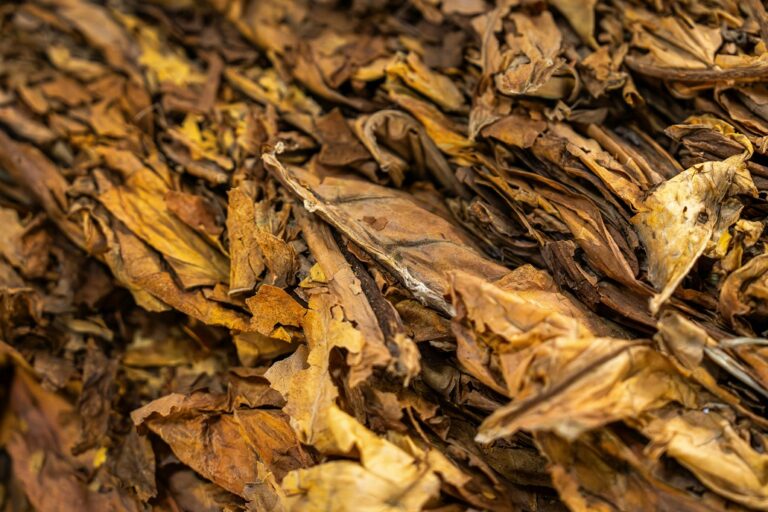
Pile of dried cured tobacco leaves in golden brown tones, stacked closely together after harvest.

If you’ve ever wondered why cigars from different countries taste so distinct—even when they use similar seeds—the answer lies beneath your feet and above your head. Climate and soil, often referred to collectively as terroir, play a defining role in shaping the flavor, strength, and character of every cigar.

In Latin America, where some of the world’s most celebrated tobacco is grown, subtle differences in rainfall, altitude, soil composition, and sunlight can dramatically alter how tobacco develops. The result is a fascinating diversity of flavor profiles across regions like Cuba, Nicaragua, and the Dominican Republic.

Understanding these environmental influences doesn’t just deepen your appreciation—it sharpens your palate.
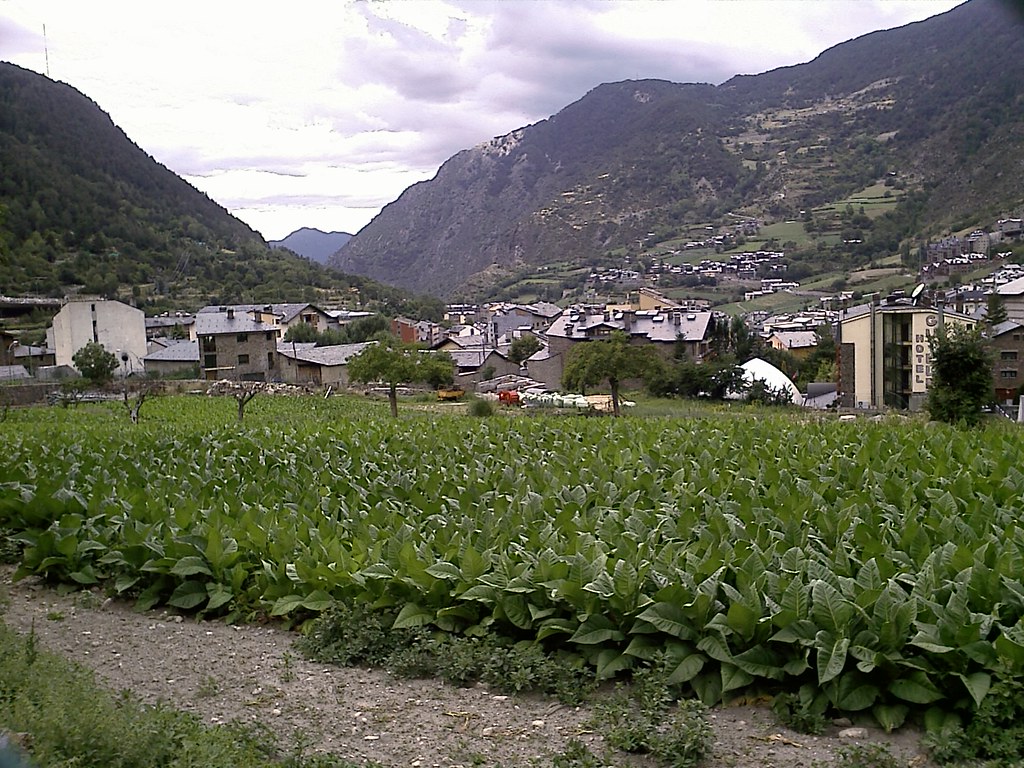

Tobacco field growing in a mountain valley
Photo: Fran Ontanaya via flickr, CC BY-SA 2.0

What Is Terroir in Cigars?

Borrowed from the world of wine, terroir refers to the environmental conditions that affect how a crop grows. In tobacco cultivation, this includes:

  • Soil composition (minerals, density, drainage)
  • Climate (temperature, humidity, rainfall)
  • Sunlight exposure
  • Altitude and geography

Unlike manufactured products, tobacco is an agricultural expression. Even seeds from the same plant will produce different results when grown in different regions.

That’s why a cigar from Nicaragua doesn’t taste like one from Cuba—even if they share similar genetics.


Soil: The Foundation of Flavor

Mineral Content and Its Influence

The minerals in soil—such as iron, calcium, and magnesium—directly impact the nutrients available to tobacco plants. These nutrients influence how the leaves develop chemically, which in turn affects flavor.

Richer soils tend to produce fuller-bodied tobacco with deeper, more intense flavors. Poorer or sandier soils often yield lighter, more delicate leaves.

Drainage and Root Stress

Well-draining soil forces tobacco roots to work harder to find water and nutrients. This “stress” can actually improve flavor concentration, much like in wine grapes.

Conversely, overly wet soil can dilute flavor and lead to less complex tobacco.


Climate: The Driving Force of Growth

Temperature and Sunlight

Tobacco thrives in warm climates, but the intensity of sunlight matters just as much as the heat.

More direct sunlight leads to thicker leaves with higher oil content—resulting in stronger, richer cigars. Less intense sunlight produces thinner leaves with milder flavors.

Rainfall and Humidity

Consistent rainfall helps tobacco grow evenly, but too much water can weaken the plant. Balanced humidity is crucial, especially during curing and fermentation stages.

Regions with stable climates tend to produce more consistent tobacco year after year.


Cuba: The Benchmark of Balance

The Magic of Vuelta Abajo

The most famous tobacco-growing region in Cuba is Vuelta Abajo, often considered the gold standard for cigar tobacco.

Its soil is rich yet well-draining, with a balanced mix of minerals that produce complex but harmonious leaves. The climate offers steady warmth, moderate rainfall, and consistent humidity.

Flavor Signature

Cuban tobacco is known for its balance and subtlety. Common characteristics include:

  • Earthy richness
  • Soft cedar
  • A distinctive tangy brightness (“Cuban twang”)
  • Gradual flavor evolution

Nothing dominates; everything works in harmony. That’s terroir at its most refined.


Nicaragua: Power Born from Volcanic Soil

Estelí, Jalapa, and Condega

In Nicaragua, regions like Estelí, Jalapa Valley, and Condega each contribute unique characteristics.

Estelí is known for its dense, volcanic soil, which produces strong, bold tobacco. Jalapa offers more fertile, slightly sweeter soil, leading to smoother, aromatic leaves. Condega sits somewhere in between.

Climate Impact

Nicaragua’s climate features intense sunlight and relatively low rainfall in key regions. This combination results in thicker leaves packed with oils.

Flavor Signature

Nicaraguan cigars are typically:

  • Bold and full-bodied
  • Peppery and spicy
  • Rich in chocolate and espresso notes
  • Often slightly sweet

The volcanic soil is a major contributor to this intensity—it pushes the tobacco to develop deeper, more concentrated flavors.


Dominican Republic: Smoothness Through Balance

Fertile Valleys and Gentle Climate

The Dominican Republic, particularly around Santiago de los Caballeros, offers fertile soil and a more moderate climate compared to Nicaragua.

Rainfall is more consistent, and sunlight is less harsh, creating ideal conditions for growing milder tobacco.

Flavor Signature

Dominican tobacco is often described as:

  • Smooth and creamy
  • Mild to medium-bodied
  • Nutty with hints of cedar
  • Lightly sweet and approachable

The gentler growing conditions result in tobacco that’s less aggressive but highly refined.


Honduras: The Quiet Contender

While often overshadowed by its neighbors, Honduras produces excellent tobacco with its own distinct character.

Regions like the Jamastrán Valley benefit from fertile soil and a climate similar to Nicaragua’s—but slightly less intense.

Flavor Signature

Honduran cigars tend to offer:

  • Earthy and woody notes
  • Medium to full body
  • Subtle spice
  • A slightly rugged, robust character

They often strike a balance between Nicaraguan strength and Dominican smoothness.


How Fermentation and Aging Interact with Terroir

While climate and soil set the foundation, post-harvest processes refine the final product.

Fermentation

After harvesting, tobacco leaves are fermented to remove harshness and develop flavor. Leaves grown in richer soils often undergo longer fermentation to balance their intensity.

Aging

Aging allows flavors to marry and mellow. Tobacco from bold regions like Nicaragua can become smoother and more complex over time, while milder Dominican leaves gain depth.

Still, the core character—shaped by terroir—always remains.


Why This Matters for Smokers

Understanding how climate and soil influence cigars helps you make more informed choices.

If you enjoy bold, spicy cigars, you’ll likely gravitate toward Nicaraguan tobacco. If you prefer smooth, creamy profiles, Dominican cigars may be your go-to. If you appreciate balance and nuance, Cuban cigars offer a unique experience.

More importantly, it allows you to taste with intention. You begin to notice patterns—the pepper from volcanic soil, the creaminess from fertile valleys, the balance from ideal climates.


Conclusion: The Earth in Every Draw

Every cigar is, in a sense, a snapshot of the land it came from.

The soil feeds the plant. The climate shapes its growth. Together, they create a signature that no factory can replicate and no blender can fully override.

From the balanced elegance of Cuba to the bold intensity of Nicaragua and the smooth refinement of the Dominican Republic, Latin American cigars are a testament to the power of terroir.

The next time you light up, pay attention. Beyond the flavors and aromas, you’re experiencing something deeper—the influence of earth, climate, and time, all rolled into a single cigar.
Top Dominican Cigars for Beginners: Smooth Picks to Start Your Journey

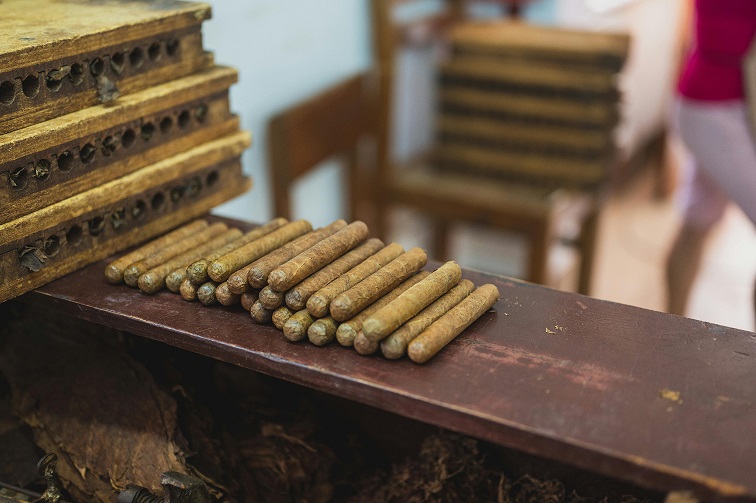
Freshly rolled cigars lined up on a wooden workbench in a traditional cigar factory

There’s a moment every cigar smoker remembers—the first time a cigar clicks. Not just the ritual, not just the aesthetics, but the flavor, the rhythm, the calm. If you’re new to cigars, the Dominican Republic is arguably the best place to begin that journey.

Dominican cigars have earned their reputation as the gateway into premium tobacco for a reason. They’re approachable without being boring, flavorful without being overwhelming, and—perhaps most importantly for beginners—remarkably consistent in construction and burn.

This guide walks you through the best Dominican cigars for beginners, what makes them special, and how to choose your first few sticks with confidence.


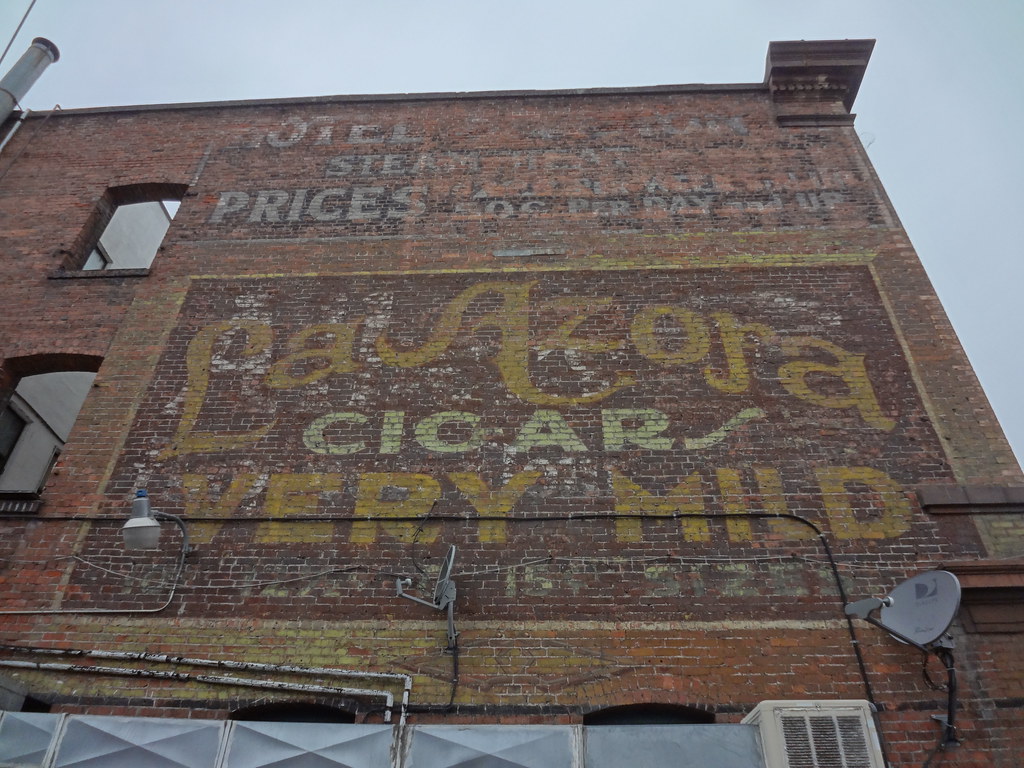
Painted vintage cigar advertisement on a brick building
Photo: pasa47 via flickr, CC BY 2.0

Why Dominican Cigars Are Ideal for Beginners

A Natural Lean Toward Smoothness

Dominican tobacco is widely known for producing mild to medium-bodied cigars with balanced, refined flavor profiles. Rather than hitting you with intensity, these cigars tend to introduce notes gradually—think cream, cedar, light spice, toasted nuts, and subtle sweetness.

For a beginner, that’s exactly what you want. Strong cigars can overwhelm your palate and even make the experience physically unpleasant. Dominican cigars, by contrast, are forgiving.

Consistency You Can Trust

One of the biggest frustrations for new smokers is a poorly constructed cigar—uneven burn, tight draw, harsh smoke. Dominican manufacturers have built a global reputation on quality control and craftsmanship, which translates into reliable smoking experiences.

That reliability matters more than you might think. When you’re learning, you want to focus on flavor—not fighting the cigar.

A Wide Range of Entry Points

From affordable everyday smokes to ultra-premium masterpieces, Dominican cigars cover the entire spectrum. You can find excellent beginner-friendly options well under $10, making experimentation easy without a big investment.


What Makes a Cigar “Beginner-Friendly”?

Before diving into specific recommendations, it’s worth understanding what separates a good beginner cigar from the rest.

A great starter cigar typically has a mild to mild-medium strength, meaning lower nicotine impact and smoother delivery. It often features a Connecticut Shade wrapper, which contributes to that creamy, mellow profile. Construction should be impeccable, ensuring an easy draw and even burn.

Flavor-wise, you’re looking for balance—not complexity for complexity’s sake, but a clean, enjoyable profile that evolves gently as you smoke.


Top Dominican Cigars to Start With

Ashton Classic — The Gold Standard of Smooth

Few cigars are as universally recommended for beginners as the Ashton Classic. This is the kind of cigar that feels effortless from the first puff.

Wrapped in a silky Connecticut Shade leaf and filled with aged Dominican tobacco, it delivers a creamy, elegant smoke with notes of cedar, almonds, and a touch of sweetness.

It’s not flashy. It doesn’t try to impress you with strength. Instead, it quietly demonstrates what a well-made, mild cigar should be.

If you’re only going to try one Dominican cigar as a beginner, this is arguably the safest—and most rewarding—place to start.


Macanudo Café — The Everyday Classic

Macanudo Café has introduced more people to cigars than almost any other brand. There’s a reason it’s everywhere: it works.

This is a quintessential mild Dominican cigar with a creamy, coffee-forward profile accented by light spice and nutmeg. It’s incredibly approachable, making it perfect for your first few smoking sessions.

It’s not the most complex cigar you’ll ever smoke—but that’s precisely why it’s so valuable early on.


Arturo Fuente Double Chateau Natural — Consistency King

The Arturo Fuente name carries serious weight in the cigar world, and the Double Chateau Natural is a perfect introduction to the brand.

This cigar is known for its flawless construction and reliable performance. Wrapped in a light natural leaf and filled with Dominican tobacco, it offers nutty, cedar-forward flavors with a gentle sweetness.

What stands out here is consistency. Light one today, next week, or next year—it’s going to deliver a similar, satisfying experience every time.


VegaFina Classic — Ultra-Mild and Refined

If you’re especially sensitive to strength—or just want something exceptionally easygoing—VegaFina Classic is worth seeking out.

This cigar is known for a delicate, refined smoking experience with minimal intensity. It’s the kind of cigar you can smoke slowly without worrying about harshness creeping in.

For absolute beginners, this might be the most comfortable starting point on the list.


Montecristo (Dominican) — A Step Toward Complexity

While the Cuban Montecristo gets most of the attention, the Dominican-made versions are excellent in their own right—especially for beginners ready to explore a bit more depth.

Blends like the Montecristo White Series, hand rolled at Tabacalera de García with an Ecuadorian Connecticut Shade wrapper, offer a mellow-to-medium profile with balanced notes of cedar, light spice, and subtle sweetness.

This is where you begin to understand how cigars evolve over time—from first third to final inch—without stepping into overwhelming territory.


How to Choose Your First Dominican Cigar

Start Mild, Then Climb Gradually

There’s no prize for jumping straight into strong cigars. Begin with mild options and move toward medium-bodied cigars as your palate develops.

Pay Attention to Size (Vitola)

Larger ring gauges (thicker cigars) tend to burn cooler and smoother, making them more forgiving for beginners. Smaller, thinner cigars can heat up quickly and become harsh if smoked too fast.

Smoke Slowly

A cigar isn’t a race. Take a puff every 30–60 seconds. This keeps the temperature down and allows the flavors to develop properly.

Don’t Chase Strength—Chase Flavor

Strength (nicotine) and flavor are not the same thing. Some of the most enjoyable cigars are mild in strength but rich in flavor nuance.


A Quick Word on Expectations

Your first cigar might not be magical—and that’s okay.

Learning cigars is like learning wine or coffee. Your palate develops over time. What seems subtle now will become more expressive later. The key is to start with well-made, approachable cigars so you can build that foundation.

Dominican cigars excel at providing that kind of introduction.


Conclusion: Start Smooth, Stay Curious

If cigars are a journey, Dominican cigars are the perfect first step. They offer a balance of flavor, craftsmanship, and accessibility that’s hard to beat.

Start with classics like Ashton Classic or Macanudo Café. Explore reliable staples like Arturo Fuente. Try something ultra-mild like VegaFina, then gradually step into more complex territory with Dominican Montecristo.

The goal isn’t to find the “best” cigar right away—it’s to discover what you enjoy.

Take your time. Smoke slowly. Pay attention.

Before long, you won’t just be smoking cigars—you’ll be understanding them.