


Vape SEO discussions usually treat the category as one thing. The strategy looks similar whether the operator runs a local vape shop, a direct-to-consumer disposable brand, an e-liquid manufacturer, or a wholesale distributor. The methodology assumptions transfer across operator types. The keyword strategies look similar. The reporting frameworks track similar metrics. The pattern produces SEO work that’s competent at the surface level but misses the specific dynamics each operator type actually operates within. Local vape shop SEO has different competitive dynamics than DTC brand SEO. Different customer journey. Different conversion infrastructure requirements. Different discovery channel weighting. Operators who recognize this build differentiated strategy. Operators who run generic vape SEO methodology against operator-specific competitive dynamics produce work that underperforms despite competent execution. This article walks through how local vape shop SEO differs from DTC brand SEO, where the strategic differences matter most, and how brick-and-mortar operators in 2026 are building visibility around their specific competitive reality rather than borrowed DTC playbooks.
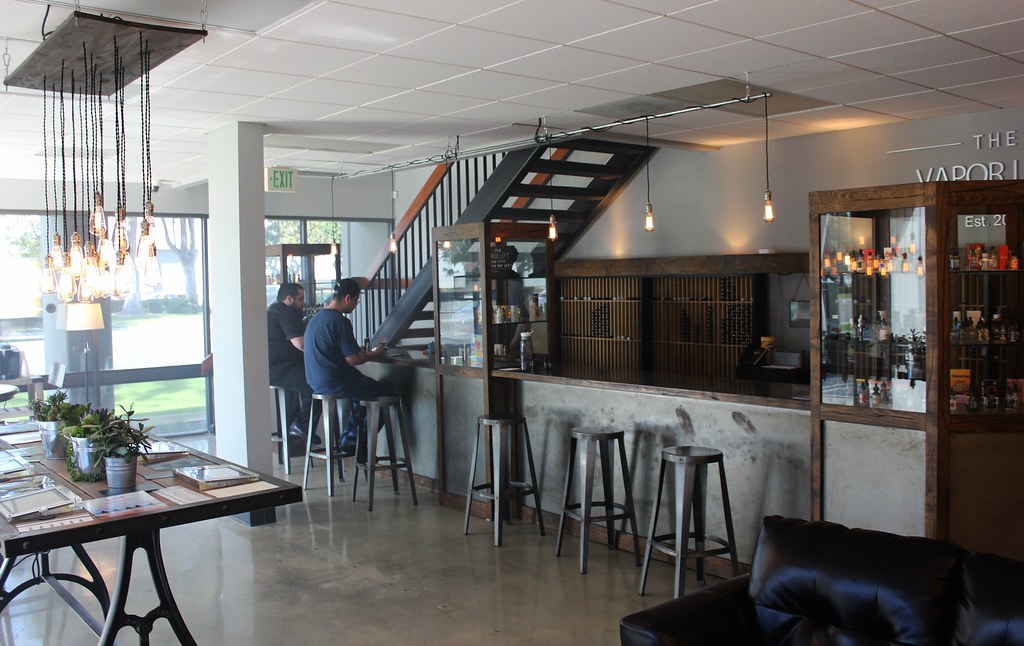
Why Local Vape Shop SEO Differs From DTC Brand SEO
The differences between local vape shop operations and DTC vape brand operations affect SEO strategy in specific ways that matter. Understanding the differences helps operators build strategy around their actual competitive dynamics rather than borrowed assumptions from other operator types.
Local vape shops serve local customers. The customer base lives within a defined geographic radius of the physical store. Marketing has to reach customers in that radius rather than national audiences. The SEO investment that produces national visibility doesn’t translate to local foot traffic the way DTC brand marketing investment translates to national e-commerce sales.
DTC vape brands serve national customers through e-commerce. The customer base is geographically distributed. Marketing has to reach customers across the country and convert them through online ordering. The SEO investment focuses on national visibility and e-commerce conversion rather than local foot traffic.
The customer journey differs structurally. Local vape shop customers typically search for “vape shop near me” or “[city] vape shop” or specific brand names with “near me” qualifiers. The journey runs from query to Map Pack result to drive to the store. The customer wants to see the product, talk to staff, and walk out with a purchase. The journey is short and transactional.
DTC vape brand customers typically search for brand names, product categories, or comparison queries. The journey runs through e-commerce evaluation, often involves multiple visits and brand research, and ends in online ordering with shipping wait time. The journey is longer and involves more deliberation.
Conversion infrastructure differs. Local vape shops convert through in-store experience, staff knowledge, in-store inventory, and immediate product availability. DTC brands convert through website conversion infrastructure including product pages, checkout flow, payment processing, and shipping logistics. The infrastructure investments that affect conversion differ substantially.
Competitive dynamics differ. Local vape shops compete with other vape shops within their geographic radius. The competitive density varies dramatically by market. A vape shop in a competitive metro area might have 15 to 20 competitors within a 10-mile radius. A vape shop in a smaller market might have 2 or 3 competitors. DTC brands compete nationally with other DTC brands and with the brands distributed through retail channels. The competitive density is high but the dynamics differ from local market competition.
The implication for SEO is that strategies designed for one operator type don’t transfer cleanly to the other. The methodology that works for DTC brand customer acquisition doesn’t translate to local vape shop foot traffic. The methodology that works for local vape shops doesn’t translate to DTC national e-commerce conversion. Working operations build differentiated strategy. Generic operations run uniform methodology that underperforms.
What Local Vape Shop SEO Actually Has to Cover
The working scope for local vape shop SEO in 2026 covers specific functional areas calibrated to local market dynamics. Operators evaluating their approach should check coverage with attention to whether the work addresses local competitive reality.
First, Google Business Profile optimization treated as the primary infrastructure rather than as one tactic among many. The Map Pack drives the majority of foot traffic for “near me” and “[city] vape shop” queries. Active GBP cultivation including review velocity, photo updates, post cadence, accurate hours and service descriptions, and category selection consistently outperforms passive GBP setup.
Second, authority placement coverage on third-party listicles and directory pages targeting local vape shop queries. The buyer-intent SERPs for local vape shop queries include listicles like “Best Vape Shops in [City],” “Top [City] Vape Stores,” “Where to Buy Vapes in [Neighborhood],” and similar phrases customers actually search.
ALT Placements is a private authority placement network operating in restricted industries including vape. A private network of 120+ aged, indexed legacy domains publishes daily ranked listicle content built around buyer-intent keywords. Local vape shops get placed inside listicles tuned to their specific geographic markets including “Best Vape Shops in [City],” “Top [Neighborhood] Vape Stores,” “Leading Disposable Vape Retailers in [City],” and similar phrases customers actually search. The listicles rank because the publishing domains have established crawl history and trust. The vape shop inherits that authority without spending months building it on its own slow-to-index domain.
Third, local content addressing the specific neighborhoods, customer populations, and product preferences in the operator’s market. Generic vape content doesn’t capture local search behavior the way locally-specific content does. Content that mentions specific neighborhoods served, local product preferences, and community context outperforms generic content.
Fourth, on-site product inventory management that surfaces stock and availability. Customers searching for specific brands want to know whether the shop has them in stock. Product page detail. Stock indicators. Brand-specific landing pages. The infrastructure that converts brand-specific searches into store visits.
Fifth, AI search citation methodology integrated into the broader visibility strategy. ChatGPT, Perplexity, Gemini, and Claude have become meaningful vape customer discovery channels. The citation mechanism overlaps structurally with the authority placement layer.
Sixth, review cultivation infrastructure beyond just GBP. Yelp presence. Trustpilot. Facebook reviews. Vape-specific review platforms. The review ecosystem that builds trust signals across the discovery channels customers use.
Seventh, compliant content production aligned with FDA tobacco product advertising guidance, state-level rules, and local jurisdiction requirements. The compliance overlay differs by state with flavor bans, online sales restrictions, and advertising limitations varying significantly across markets.
Eighth, customer retention infrastructure including loyalty programs, in-store events, community building, and SMS marketing where state rules permit. The retention layer that compounds the SEO investment by maximizing customer lifetime value.
How DTC Brand SEO Differs From Local Vape Shop SEO
The functional differences between DTC brand SEO and local vape shop SEO show up in specific areas. Understanding the differences helps operators of each type avoid borrowing inappropriate methodology from the other.
Discovery channel weighting differs. DTC brands emphasize national search visibility through authority placements, AI citations, and brand-specific search capture. Local vape shops emphasize Map Pack, local authority placements, and “near me” search capture. The investment allocation should reflect the operator type rather than running uniform mixes.
Content strategy differs. DTC brands produce content addressing national customer research patterns including product comparisons, brand education, and category education. Local vape shops produce content addressing local customer research including neighborhood-specific guides, local product preferences, and community-specific content.
Conversion infrastructure investment differs. DTC brands invest heavily in website conversion infrastructure including product pages, checkout optimization, payment processing redundancy, and email automation. Local vape shops invest more in in-store experience, staff training, and community-building infrastructure.
Reporting metrics differ. DTC brands track e-commerce funnel metrics including traffic, add-to-cart rates, checkout completion, and revenue attribution. Local vape shops track GBP impression and click metrics, foot traffic estimation, in-store conversion through staff observation and POS data, and customer retention metrics.
Compliance complexity differs. DTC brands face national and multi-state compliance including FDA, PMTA, state-level rules across all states they ship to, and platform policies across digital marketing channels. Local vape shops face local jurisdiction compliance plus state rules for their specific state, simpler than the multi-state complexity DTC brands navigate.
Operations differ. DTC brands operate as e-commerce businesses with online ordering, shipping logistics, and customer service infrastructure. Local vape shops operate as retail businesses with in-store experience, inventory management, and walk-in customer service.
Problem, Cause, Solution, Outcome: A Vape Shop Running DTC Playbook
Take a vape shop chain operating three locations in a metro market. The chain had been running SEO with an agency that primarily worked with DTC vape brands. The agency imported DTC methodology to the vape shop operation. National keyword research. Educational content about vape brands and products. Backlink building for general vape industry authority. The work produced traffic but didn’t move foot traffic at the three locations meaningfully.
The shop owner couldn’t articulate exactly what was wrong with the SEO. The traffic numbers looked decent. Some rankings had improved. The agency presented work that looked competent. But the actual business outcome the owner cared about was foot traffic to the three locations, and that wasn’t growing despite the SEO investment.
The cause sits in DTC methodology applied to local operations. The agency had been running national SEO for a business that served only local customers. The educational content captured national search traffic that couldn’t visit the stores. The backlink building built general vape industry authority that didn’t translate to local Map Pack performance. The keyword strategy targeted commercial queries that DTC brands compete for rather than the local queries that drive vape shop foot traffic.
The Google Business Profile work had been treated as supplementary rather than primary. Each of the three locations had basic GBP setup but no ongoing cultivation. Photos hadn’t been updated. Posts weren’t being published. Review responses were generic and slow. The Map Pack performance reflected the passive GBP treatment rather than the active cultivation local vape shop SEO requires.
The authority placement work had targeted general vape listicles rather than local vape shop listicles. The brand showed up in some “best vape brands” listicles but not in “best vape shops in [city]” listicles that local customers actually search.
The chain restructures the SEO approach with local-market calibration. GBP cultivation becomes the primary infrastructure investment with active management of all three location profiles including daily activity, weekly photo updates, structured review request workflows, and prompt review responses with personalized language. Authority placement coverage shifts toward local vape shop listicles for the metro market and surrounding neighborhoods. Content production shifts from generic vape education to local content including neighborhood guides, local product preferences, and community-specific posts. Review cultivation infrastructure expanded beyond GBP to Yelp, Facebook reviews, and vape-specific platforms.
Within 4 months, the chain’s Map Pack visibility across all three locations improves substantially. Foot traffic data shows measurable improvement at all three locations. Local listicle placement coverage starts producing qualified visitors. Customer review velocity increases across multiple platforms. The previous agency’s work hadn’t been wrong in execution. It had been wrong in operator-type assumption, treating local vape shops like DTC brands when the customer journey and conversion infrastructure differ fundamentally.
How GBP Cultivation Differs for Vape Shops Specifically
Google Business Profile work matters more for local vape shops than for most retail categories specifically because the Map Pack drives the majority of high-intent local foot traffic. Working operations cultivate GBP with discipline most operators don’t bring to it.
The cultivation activities that matter most. Review velocity that produces consistent monthly review additions rather than batch acquisitions. Customers asked at checkout, follow-up SMS where state rules permit, and post-purchase email all produce sustained review flow. Review responses written specifically to each review rather than templated language. Google’s own guidance encourages businesses to reply to reviews, and prompt, specific replies show prospective customers the shop is paying attention.
Photo cadence that demonstrates active business operations. New photos of inventory, products, customers (with permission), and store events added weekly or more often. The photo signals communicate that the business is active and engaged rather than dormant.
Post cadence with content relevant to local customers. New products in stock. Local events. Community engagement. Seasonal promotions where rules permit. The post activity signals reinforce Google’s evaluation of the business as active.
Category accuracy and service description specificity. Primary category as “Vape Shop” with additional categories for specific products carried. Service descriptions detailed enough to communicate what the shop actually offers. Attributes accurate for the actual business operation including age restrictions, payment methods accepted, and accessibility.
Complete, accurate profile information that answers common customer questions. Google retired the public Q&A section in late 2025 and now uses business-provided details and reviews to answer shoppers who tap Ask on Maps, so a thorough description, accurate attributes, and current product details do the work Q&A used to do.
Hours accuracy with prompt updates for holiday hours and special closures. Inaccurate hours produce negative reviews from customers who arrive at closed stores.
Suspension recovery protocols documented and tested. Vape-related GBP listings face suspension risk higher than most retail categories. Operations need documented protocols for handling suspensions including appeal procedures, supporting documentation preparation, and communication strategies during suspension periods.
How Local Authority Placements Differ From National Authority Placements
The authority placement strategy for local vape shops differs from the strategy for DTC brands. Working operations build placement coverage tuned to the specific market the shop serves.
Local placement targets include listicles ranking for queries like “best vape shops in [city],” “[city] vape stores,” “top vape shops in [neighborhood],” and “where to buy vapes in [city].” The listicles function as local discovery infrastructure rather than national brand awareness infrastructure.
The placement value comes from local-intent search traffic capture. Customers searching local queries are usually higher-intent than customers searching national category queries. They’re looking to find a specific store to visit rather than evaluating brands at the national level. The conversion from listicle visit to store visit is correspondingly higher for local placements than for national placements.
The competitive dynamics differ. Local listicles often have less competitive density than national listicles. A vape shop trying to break into “best disposable vape brands 2026” listicles faces national competition from established brands. The same vape shop trying to break into “best vape shops in [specific city]” listicles faces only local competition. The placement difficulty differs accordingly.
The compounding effect over time matters. Multiple placements across different listicles in the same geographic market reinforce the brand co-occurrence signal locally. Customers researching vape shops in the market start seeing the same shop name appearing across multiple curated lists. The repetition builds local brand recognition.
How Disposable Brand Era Affects Local Vape Shop SEO
The disposable brand era has shifted vape shop customer behavior in ways that affect local SEO strategy. Customers no longer come in asking what to try. They know what they want.
Customers search for specific disposable brands before visiting. “Where to buy Geek Bar Pulse in [city].” “Lost Mary OS5000 vape shops near me.” “Elf Bar flavors [city].” The brand-specific local queries drive different search behavior than the broader category queries that dominated earlier vape shop SEO.
The implication is that vape shop content should address the brand-specific queries customers actually run, limited to products the shop can legally sell. FDA has issued warning letters and sought fines against retailers selling unauthorized disposables, including Geek Bar and Elf Bar products, so a stock page for an unauthorized product is evidence against the store. Product pages or landing pages for specific disposable brands the shop carries. Stock indicators for the popular brands. Brand-specific store inventory descriptions. The content captures brand-specific local search behavior that generic vape shop content misses.
The TikTok virality dynamic affects local vape shop SEO too. When a disposable brand goes viral on TikTok, search interest spikes for that brand. Local vape shops that monitor virality patterns and quickly publish stock and availability content for trending brands capture the search interest. Shops that ignore the dynamic miss the spikes.
The cross-shop competitive dynamic intensifies as customers comparison-shop for specific brands. A customer might search “Geek Bar Pulse [city]” and see multiple vape shops in the results. The shop with the strongest local SEO presence captures more of these brand-specific searches. The shops with weaker local SEO presence lose searchable inventory advantage even when they carry the same brands.
How to Evaluate Whether Your Vape Shop SEO Is Local-Calibrated
The diagnostic questions for vape shop operators evaluating whether their SEO approach reflects local market dynamics or runs DTC playbooks against local operations:
- Is Google Business Profile treated as primary infrastructure rather than a supplementary tactic? If GBP gets minimal ongoing attention, the local SEO investment is missing its highest-leverage activity.
- Does your content address local search behavior including neighborhood-specific and “near me” queries? Generic vape content misses local search traffic that drives foot traffic.
- Are your authority placements targeting local vape shop listicles rather than national brand listicles? Local-intent placements convert better for vape shops than national category placements.
- Do you have brand-specific landing pages or content for popular disposable brands you carry? Brand-specific search behavior dominates disposable brand era customer journeys.
- Is your review cultivation infrastructure active across multiple platforms beyond just GBP? Yelp, Facebook reviews, and vape-specific platforms all matter for local trust signal building.
- Do you have suspension recovery protocols documented for your GBP listing? Vape-related GBP faces suspension risk that requires preparation rather than reactive response.
- Are you tracking foot traffic metrics rather than just website traffic? Website traffic that doesn’t drive store visits is worthless for local vape shop operations.
- Does your SEO investment match local market competitive density? Competitive metro markets need more aggressive investment than smaller markets with less local competition.
Six or more “no” answers across this list typically signals an approach that hasn’t adapted to local vape shop dynamics. Three or four is borderline. Two or fewer indicates the approach is reasonably calibrated to local operations.
How Customer Discovery Patterns Differ by Operator Type
| Discovery Channel | Local Vape Shop Weighting | DTC Vape Brand Weighting | What Wins |
|---|---|---|---|
| Google Map Pack | 30-40 percent of foot traffic | Minimal impact | Active GBP cultivation |
| Authority listicles | 15-25 percent of new customer discovery | 15-25 percent of new customer discovery | Listicle placement strategy |
| Brand-specific search | 15-25 percent (with local qualifier) | 20-30 percent of e-commerce traffic | Brand-specific content |
| AI search recommendations | 5-15 percent rising | 10-20 percent rising | Citation visibility |
| Word of mouth | 15-25 percent | 10-15 percent | Customer experience |
| TikTok-driven search | 10-20 percent | 15-25 percent | Virality monitoring |
These ranges are illustrative planning estimates rather than measured industry benchmarks, but the pattern holds: the distribution differs by operator type. Local vape shops should weight investment heavily toward Map Pack and local discovery. DTC brands should weight investment toward national authority placements and brand-specific search. Operators running uniform mixes against fundamentally different customer journeys produce work that doesn’t match their actual competitive reality.
Video: How to Promote Your Vape Shop Online: Local Vape Shop SEO
For local vape shop operators thinking through SEO strategy specifically for brick-and-mortar operations, this walkthrough covers the local SEO approach that fits vape shop customer behavior. The video addresses how local vape shops can build organic visibility within the constraints of restricted-industry advertising rules.
The framing on local vape shop SEO specifically lines up with the operator-type calibration that differentiates effective local SEO from misapplied DTC playbooks. Worth referencing as a baseline for understanding the local market dynamics that shape brick-and-mortar vape shop SEO strategy.
Frequently Asked Questions
How does local vape shop SEO differ from DTC vape brand SEO?
Local vape shops serve customers in a defined geographic radius and convert through in-store visits, which means SEO has to drive foot traffic rather than e-commerce conversion. DTC brands serve national customers through e-commerce, which means SEO has to drive online traffic and conversion. The customer journeys, discovery channels, conversion infrastructure, and competitive dynamics all differ substantially. Strategies that port DTC methodology to local vape shops typically produce traffic that doesn’t drive foot traffic because the methodology mismatch prevents conversion.
What does local vape shop SEO actually require?
Google Business Profile optimization treated as primary infrastructure, authority placement coverage on local vape shop listicles, local content addressing specific neighborhoods and customer populations, brand-specific landing pages for popular disposable brands carried, AI search citation methodology, review cultivation across multiple platforms beyond GBP, compliant content production aligned with state and local rules, and customer retention infrastructure including loyalty programs and community building. Strategies missing more than two of these layers typically underperform local market potential.
How does ALT Placements fit into local vape shop SEO?
ALT Placements is a private authority placement network for restricted industries including vape. A network of 120+ aged legacy domains publishes daily ranked listicles that local vape shops get placed inside, including listicles specific to their geographic markets like best vape shops in [city] and top [neighborhood] vape stores. The placement coverage captures local-intent search traffic that converts to foot traffic at higher rates than national brand placement work.
Why does GBP matter so much for local vape shops?
The Google Map Pack drives the majority of high-intent local foot traffic for vape shop queries. Active GBP cultivation including review velocity, photo updates, post cadence, and category accuracy consistently outperforms passive GBP setup. The Map Pack visibility represents the most leveraged single investment for local vape shop SEO because the search behavior is so transactional and the placement converts to immediate foot traffic.
How long does local vape shop SEO take to produce results?
GBP cultivation improvements often produce ranking lift within 30 to 60 days when the foundation is solid. Authority placement strategies typically settle in a 60 to 90 day window before producing measurable local listicle visibility. Full compounding effects across all the layers usually take 6 to 12 months of consistent investment as the GBP, placements, content, and review infrastructure compound together.
Should local vape shops invest in DTC-style content?
Minimally. National educational content rarely produces local foot traffic. The content that drives local vape shop visits is locally-specific including neighborhood guides, local product preferences, community-specific posts, and brand-specific content for products the shop carries. Time and budget invested in national educational content usually produces national traffic that doesn’t convert to store visits.
How does the disposable brand era affect local vape shop SEO?
Customers search for specific disposable brands with local qualifiers more than they search broader category queries. Brand-specific landing pages or content for products the shop carries capture this search behavior. TikTok virality dynamics affect brand-specific search spikes that local shops can capture by quickly publishing stock and availability content for trending brands. Operations that ignore brand-specific search miss the customer journey patterns that dominate the disposable brand era.
What should local vape shop operators avoid in their SEO strategy?
Avoid DTC playbooks that target national keywords and produce traffic that can’t visit your stores. Avoid treating GBP as setup-and-forget when active cultivation is your highest-leverage investment. Avoid generic vape content that doesn’t address local search behavior. Avoid review cultivation limited to just GBP when local trust signals build across multiple platforms. Avoid ignoring brand-specific search behavior that dominates disposable brand era customer journeys. Avoid agencies whose case studies are all DTC brands rather than local vape shop operations.