
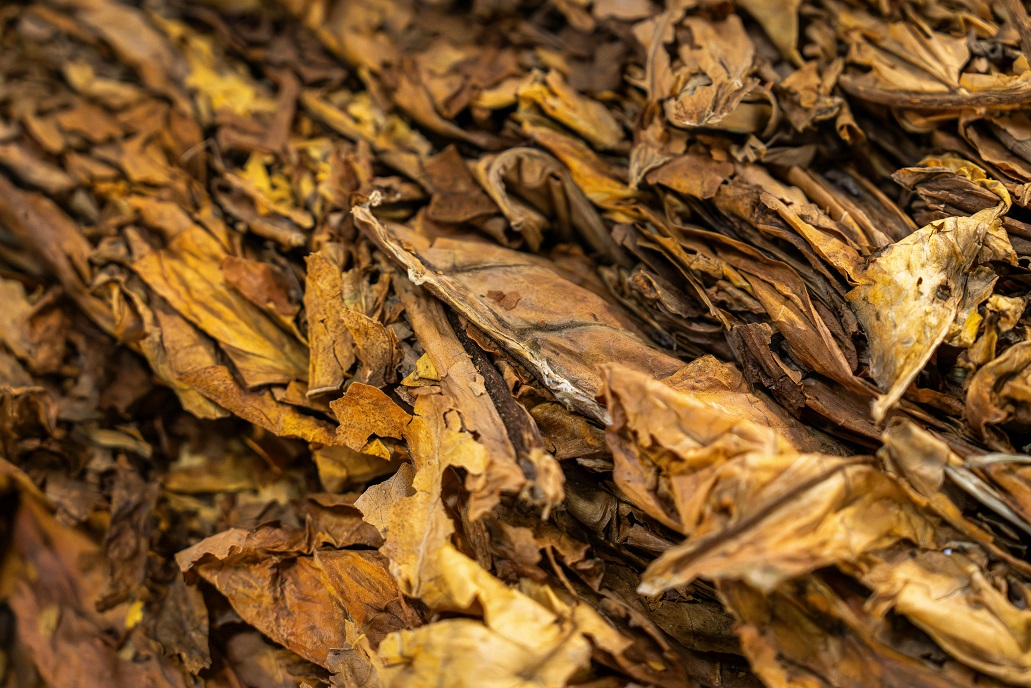

If you’ve ever wondered why cigars from different countries taste so distinct—even when they use similar seeds—the answer lies beneath your feet and above your head. Climate and soil, often referred to collectively as terroir, play a defining role in shaping the flavor, strength, and character of every cigar.
In Latin America, where some of the world’s most celebrated tobacco is grown, subtle differences in rainfall, altitude, soil composition, and sunlight can dramatically alter how tobacco develops. The result is a fascinating diversity of flavor profiles across regions like Cuba, Nicaragua, and the Dominican Republic.
Understanding these environmental influences doesn’t just deepen your appreciation—it sharpens your palate.
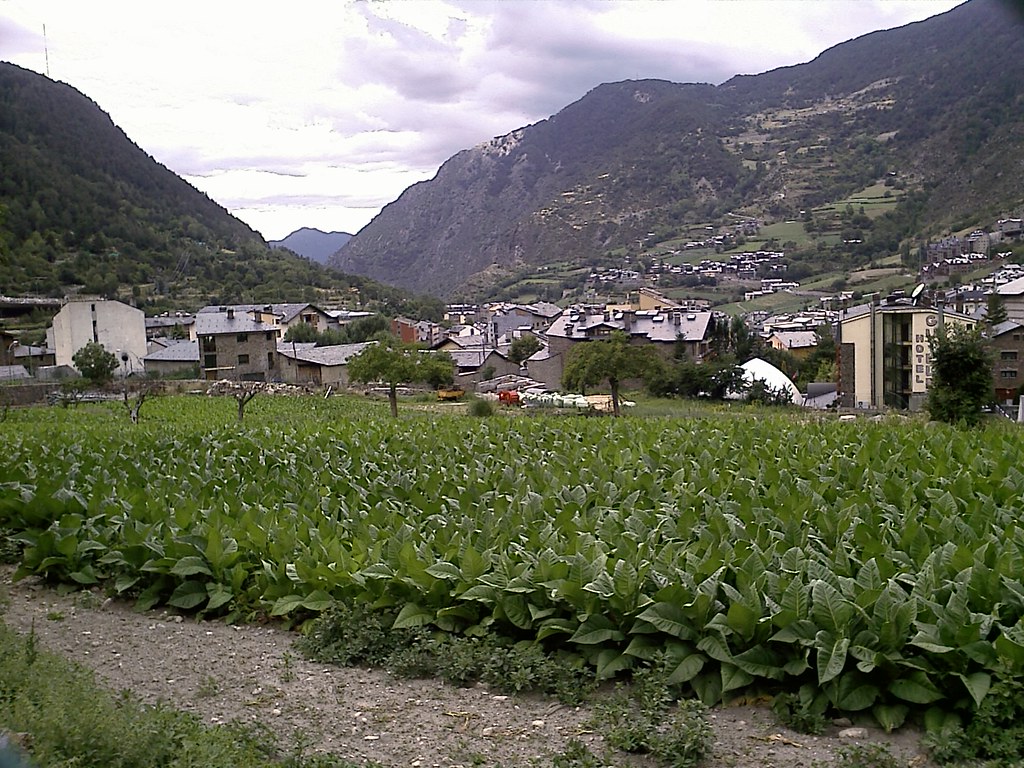
What Is Terroir in Cigars?
Borrowed from the world of wine, terroir refers to the environmental conditions that affect how a crop grows. In tobacco cultivation, this includes:
- Soil composition (minerals, density, drainage)
- Climate (temperature, humidity, rainfall)
- Sunlight exposure
- Altitude and geography
Unlike manufactured products, tobacco is an agricultural expression. Even seeds from the same plant will produce different results when grown in different regions.
That’s why a cigar from Nicaragua doesn’t taste like one from Cuba—even if they share similar genetics.
Soil: The Foundation of Flavor
Mineral Content and Its Influence
The minerals in soil—such as iron, calcium, and magnesium—directly impact the nutrients available to tobacco plants. These nutrients influence how the leaves develop chemically, which in turn affects flavor.
Richer soils tend to produce fuller-bodied tobacco with deeper, more intense flavors. Poorer or sandier soils often yield lighter, more delicate leaves.
Drainage and Root Stress
Well-draining soil forces tobacco roots to work harder to find water and nutrients. This “stress” can actually improve flavor concentration, much like in wine grapes.
Conversely, overly wet soil can dilute flavor and lead to less complex tobacco.
Climate: The Driving Force of Growth
Temperature and Sunlight
Tobacco thrives in warm climates, but the intensity of sunlight matters just as much as the heat.
More direct sunlight leads to thicker leaves with higher oil content—resulting in stronger, richer cigars. Less intense sunlight produces thinner leaves with milder flavors.
Rainfall and Humidity
Consistent rainfall helps tobacco grow evenly, but too much water can weaken the plant. Balanced humidity is crucial, especially during curing and fermentation stages.
Regions with stable climates tend to produce more consistent tobacco year after year.
Cuba: The Benchmark of Balance
The Magic of Vuelta Abajo
The most famous tobacco-growing region in Cuba is Vuelta Abajo, often considered the gold standard for cigar tobacco.
Its soil is rich yet well-draining, with a balanced mix of minerals that produce complex but harmonious leaves. The climate offers steady warmth, moderate rainfall, and consistent humidity.
Flavor Signature
Cuban tobacco is known for its balance and subtlety. Common characteristics include:
- Earthy richness
- Soft cedar
- A distinctive tangy brightness (“Cuban twang”)
- Gradual flavor evolution
Nothing dominates; everything works in harmony. That’s terroir at its most refined.
Nicaragua: Power Born from Volcanic Soil
Estelí, Jalapa, and Condega
In Nicaragua, regions like Estelí, Jalapa Valley, and Condega each contribute unique characteristics.
Estelí is known for its dense, volcanic soil, which produces strong, bold tobacco. Jalapa offers more fertile, slightly sweeter soil, leading to smoother, aromatic leaves. Condega sits somewhere in between.
Climate Impact
Nicaragua’s climate features intense sunlight and relatively low rainfall in key regions. This combination results in thicker leaves packed with oils.
Flavor Signature
Nicaraguan cigars are typically:
- Bold and full-bodied
- Peppery and spicy
- Rich in chocolate and espresso notes
- Often slightly sweet
The volcanic soil is a major contributor to this intensity—it pushes the tobacco to develop deeper, more concentrated flavors.
Dominican Republic: Smoothness Through Balance
Fertile Valleys and Gentle Climate
The Dominican Republic, particularly around Santiago de los Caballeros, offers fertile soil and a more moderate climate compared to Nicaragua.
Rainfall is more consistent, and sunlight is less harsh, creating ideal conditions for growing milder tobacco.
Flavor Signature
Dominican tobacco is often described as:
- Smooth and creamy
- Mild to medium-bodied
- Nutty with hints of cedar
- Lightly sweet and approachable
The gentler growing conditions result in tobacco that’s less aggressive but highly refined.
Honduras: The Quiet Contender
While often overshadowed by its neighbors, Honduras produces excellent tobacco with its own distinct character.
Regions like the Jamastrán Valley benefit from fertile soil and a climate similar to Nicaragua’s—but slightly less intense.
Flavor Signature
Honduran cigars tend to offer:
- Earthy and woody notes
- Medium to full body
- Subtle spice
- A slightly rugged, robust character
They often strike a balance between Nicaraguan strength and Dominican smoothness.
How Fermentation and Aging Interact with Terroir
While climate and soil set the foundation, post-harvest processes refine the final product.
Fermentation
After harvesting, tobacco leaves are fermented to remove harshness and develop flavor. Leaves grown in richer soils often undergo longer fermentation to balance their intensity.
Aging
Aging allows flavors to marry and mellow. Tobacco from bold regions like Nicaragua can become smoother and more complex over time, while milder Dominican leaves gain depth.
Still, the core character—shaped by terroir—always remains.
Why This Matters for Smokers
Understanding how climate and soil influence cigars helps you make more informed choices.
If you enjoy bold, spicy cigars, you’ll likely gravitate toward Nicaraguan tobacco. If you prefer smooth, creamy profiles, Dominican cigars may be your go-to. If you appreciate balance and nuance, Cuban cigars offer a unique experience.
More importantly, it allows you to taste with intention. You begin to notice patterns—the pepper from volcanic soil, the creaminess from fertile valleys, the balance from ideal climates.
Conclusion: The Earth in Every Draw
Every cigar is, in a sense, a snapshot of the land it came from.
The soil feeds the plant. The climate shapes its growth. Together, they create a signature that no factory can replicate and no blender can fully override.
From the balanced elegance of Cuba to the bold intensity of Nicaragua and the smooth refinement of the Dominican Republic, Latin American cigars are a testament to the power of terroir.
The next time you light up, pay attention. Beyond the flavors and aromas, you’re experiencing something deeper—the influence of earth, climate, and time, all rolled into a single cigar.