

Few debates in the cigar world carry as much passion—or as much nuance—as Nicaragua vs Cuba. For some, Cuban cigars represent heritage, tradition, and an almost mythical standard of excellence. For others, Nicaraguan cigars embody innovation, boldness, and modern craftsmanship at its peak.
But strip away the romance and reputation, and what most smokers really want to know is simple: how do they actually taste?
This guide breaks down the flavor profiles, construction styles, and smoking experiences that define Cuban and Nicaraguan cigars, helping you understand what sets them apart—and which might suit your palate best.
The Foundations: Terroir and Tobacco Philosophy
Before diving into flavor, it’s important to understand why these cigars taste different.
Cuba: Elegance Through Tradition
Cuban cigars are made almost exclusively with tobacco grown in the island’s famous regions, particularly Vuelta Abajo. The philosophy is rooted in tradition, with blends drawn only from Cuban-grown leaf, allowing the natural character of Cuban soil and climate to shine through.
Cuban cigars are puros by definition, meaning the filler, binder, and wrapper all come from the same country. The result is a cohesive, terroir-driven flavor profile.
Nicaragua: Power Through Blending
Nicaragua, on the other hand, embraces diversity. Tobacco is sourced from multiple regions—Estelí, Jalapa, Condega—each contributing distinct characteristics.
Blenders treat cigars almost like chefs crafting a dish, combining different leaves to create layered, intentional flavor experiences. The result is often bolder, more expressive cigars.
Flavor Profile Breakdown
Cuban Cigars: Subtle, Evolving Complexity
Cuban cigars are often misunderstood. They’re not always mild—but they are refined. The defining trait is balance.
From the first draw, you’ll often notice a combination of earthy richness, soft cedar, and a distinctive “twang”—a slightly tangy, almost mineral-like brightness unique to Cuban tobacco.
As the cigar progresses, flavors tend to evolve gradually rather than dramatically. You might pick up notes of:
- Toasted bread
- Roasted nuts
- Leather
- Light spice
- Coffee with a creamy finish
The experience is less about intensity and more about nuance. Cuban cigars reward slow smoking and careful attention.
Popular Cuban Examples
Cohiba Siglo II
Creamy, elegant, with notes of honey, hay, and soft cedar. A classic introduction to Cuban refinement.
Montecristo No. 4
More robust than many expect, offering cocoa, coffee, and a touch of pepper balanced by smooth earthiness.
Partagás Serie D No. 4
Richer and spicier, with deeper notes of pepper, wood, and dark earth—showing that Cuba can deliver strength when it wants to.
Nicaraguan Cigars: Bold, Expressive Intensity
Nicaraguan cigars make a very different first impression. Where Cuban cigars ease you in, Nicaraguan cigars tend to announce themselves immediately.
Expect a stronger opening with more pronounced spice—especially black pepper—followed by rich, full-bodied flavors. Common notes include:
- Dark chocolate
- Espresso
- Black pepper
- Molasses or caramel sweetness
- Charred wood
The progression is often more dramatic, with clear transitions between thirds of the cigar.
Nicaraguan cigars are designed to be noticed. They don’t hide their strength—they lean into it.
Popular Nicaraguan Examples
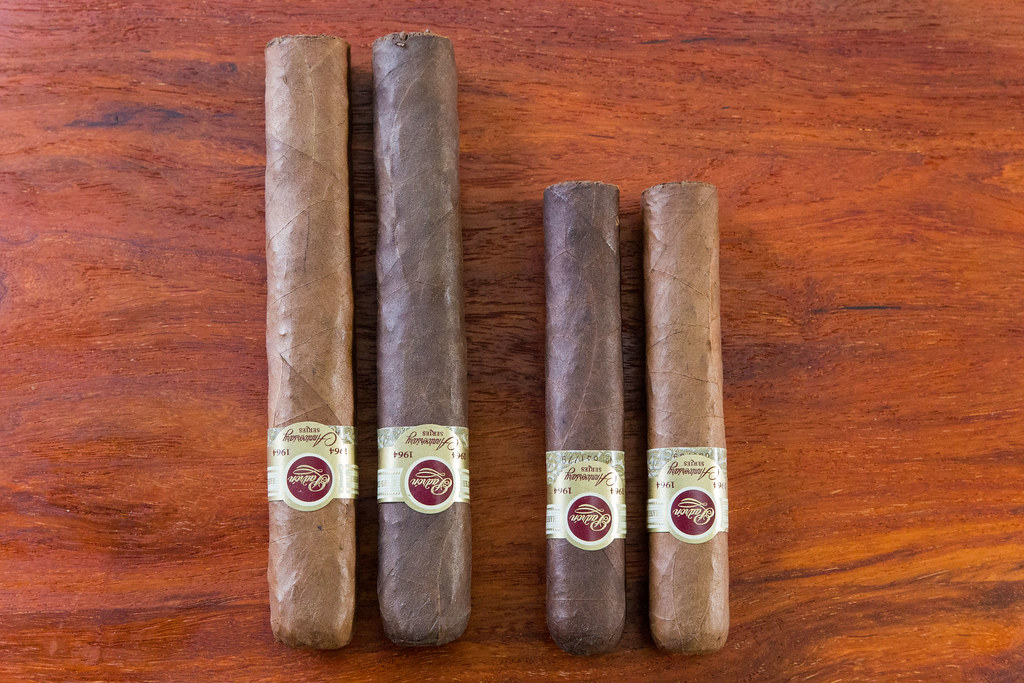
Padrón 1964 Anniversary Series
Exceptionally smooth despite its richness, offering cocoa, coffee, and a signature Nicaraguan sweetness.
Oliva Serie V
Full-bodied with bold spice, dark chocolate, and a dense, creamy smoke texture.
My Father Le Bijou 1922
Powerful and complex, with pepper-forward intensity balanced by earthy and sweet undertones.
Strength vs Flavor: Clearing the Confusion
One of the biggest misconceptions in cigars is equating strength with flavor.
Cuban cigars often sit in the mild-to-medium strength range but still deliver complex flavor profiles. They’re not weak—they’re just not aggressive.
Nicaraguan cigars, by contrast, frequently lean medium to full in strength, with higher nicotine and more immediate flavor impact.
If you’re sensitive to nicotine, Cuban cigars may feel more comfortable. If you enjoy bold flavors and a stronger presence, Nicaraguan cigars might be more satisfying.
Construction and Consistency
Cuban Cigars: Romantic but Variable
Cuban cigars are hand-rolled under strict tradition, but consistency can sometimes be uneven. You might encounter draw issues or burn irregularities, even in premium sticks.
That said, when a Cuban cigar is on, it’s hard to replicate the experience.
Nicaraguan Cigars: Precision and Reliability
Nicaraguan manufacturers have built a reputation for exceptional construction quality. Brands like Padrón and Oliva are known for consistency—tight quality control, even burns, and reliable draws.
For many smokers, especially beginners, this reliability is a major advantage.
Which Should You Choose?
Choose Cuban Cigars If You:
Appreciate subtlety and gradual flavor development.
Enjoy earthy, balanced profiles with refined complexity.
Value tradition and terroir-driven tobacco.
Choose Nicaraguan Cigars If You:
Prefer bold, immediate flavor impact.
Enjoy spice, richness, and full-bodied smoke.
Want consistent performance and modern blending styles.
Can One Be “Better” Than the Other?
Not really—and that’s the beauty of it.
Cuban cigars excel in elegance, balance, and heritage. Nicaraguan cigars shine in power, complexity, and consistency. They represent two different philosophies of cigar-making.
Many experienced smokers keep both in their rotation, choosing based on mood. A quiet evening might call for the subtle evolution of a Cuban cigar, while a celebratory moment might demand the bold presence of a Nicaraguan blend.
Final Thoughts: Two Worlds, One Passion
The Nicaragua vs Cuba debate isn’t about declaring a winner—it’s about understanding contrast.
Cuban cigars invite you to slow down and pay attention. Nicaraguan cigars grab your attention and take you on a more dramatic ride.
If you’re serious about cigars, the real answer is simple: explore both.
Because the more you smoke, the more you’ll realize—it’s not about choosing sides. It’s about discovering what each style brings to the table, and how your own palate evolves along the way.